

 RU
RU  PL
PL  DE
DE  RO
RO 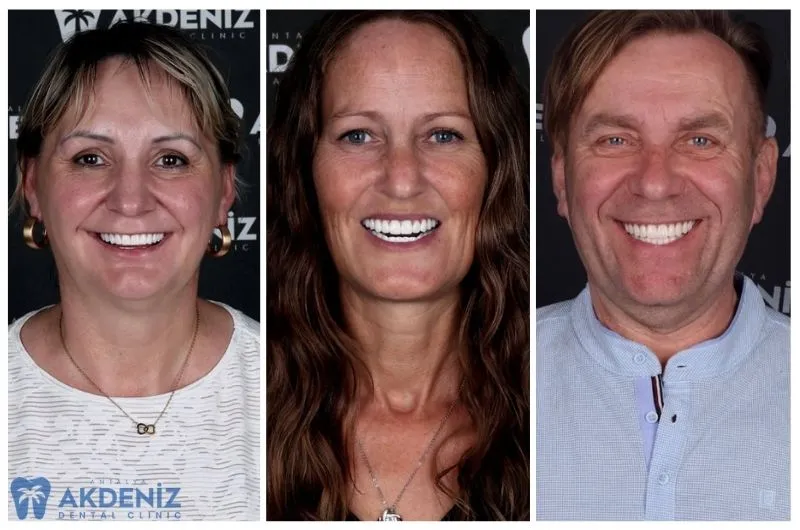
Yes. Antalya All on 4 teeth look natural, without being excessively white or looking too large for your face. The result comes down to the design of the bridge: the teeth you see, their position and any gum-coloured material around them.
What makes all on 4 teeth look natural?
Tooth size and shape: getting the proportions right
The upper front teeth aren’t all the same. Your two middle teeth usually have more width than the smaller ones beside them, while the canines have a different outline again. A convincing bridge retains those distinctions.
Length matters too.
When planning the front teeth, we check how much shows beneath your relaxed upper lip and how their edges relate to the lower teeth. Restoring teeth that have worn down can mean adding length, but simply making them longer isn’t enough. The new arrangement needs to work with your bite.
Shape gives you some choice. Rounded corners create a different appearance from more square edges; neither suits every face. You can ask for an even smile without making every tooth identical. This way, you’ll have a more natural smile.
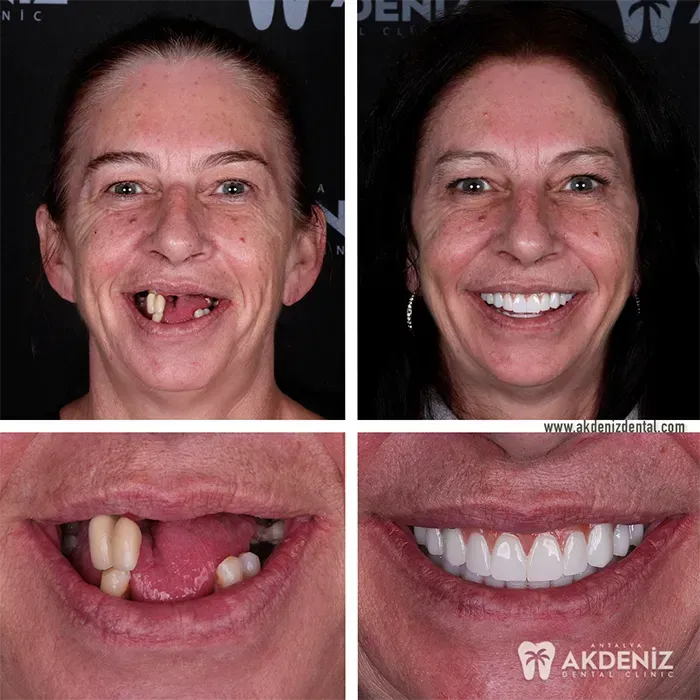
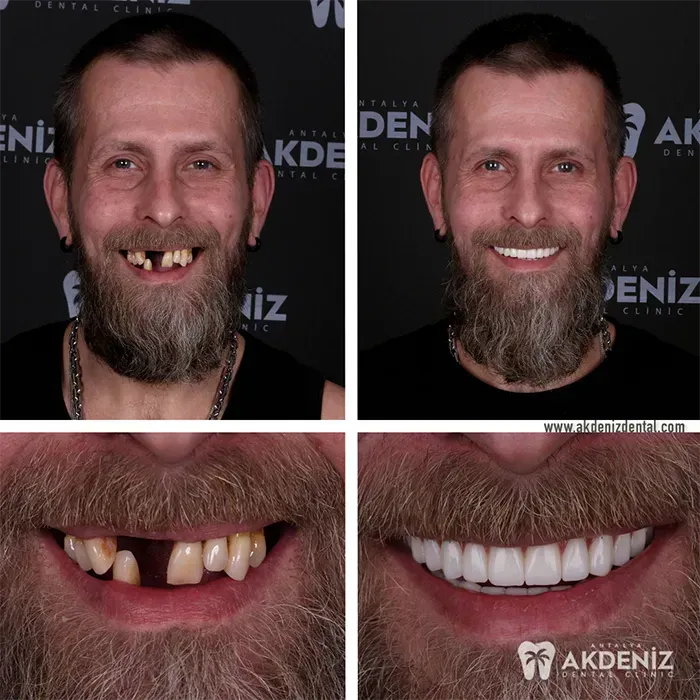
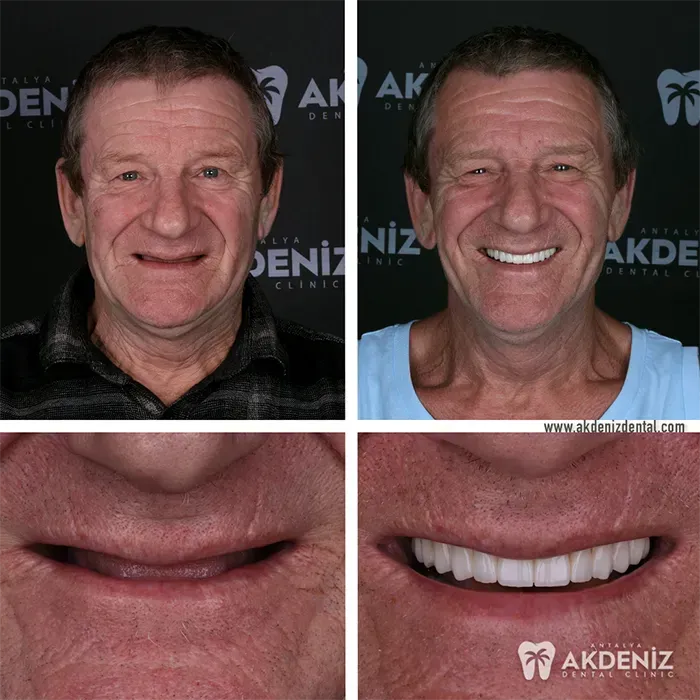
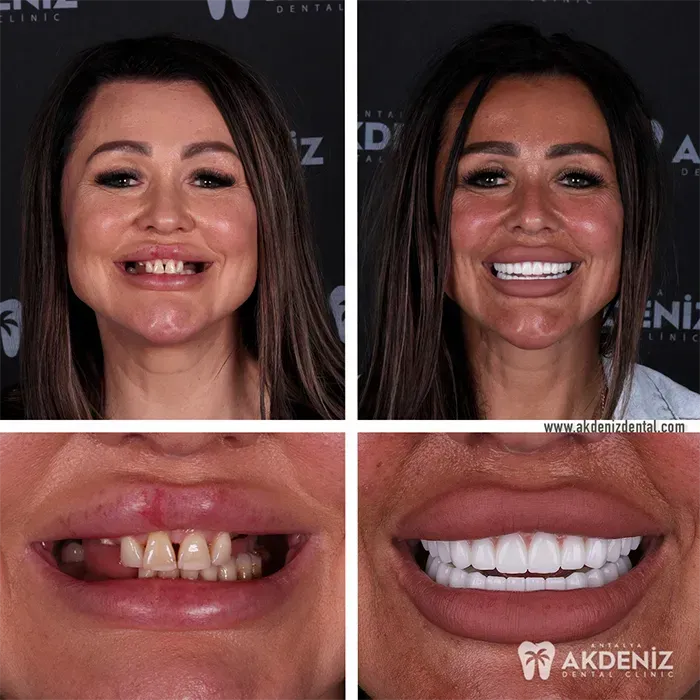
How tooth position affects your smile and lip support
A row of teeth can look attractive on its own yet seem too prominent once you see the whole face. Often, the issue is position rather than size.
Upper front teeth help support the lip. Too far forward, and they can push it out; too far back, and they may leave it looking unsupported. We assess the side profile as well as the front view to understand that relationship.
Then we look at movement. Your lips reveal different amounts of tooth when you rest, speak and smile broadly. A design based only on a posed smile misses some of what people see during ordinary conversation.
The relationship between your jaws also sets limits. We plan an arrangement that looks appropriate and allows the teeth to meet correctly—not just a photograph that looks good.
A natural tooth colour—without a flat, opaque finish
You don’t have to choose a dark shade to get a natural appearance. Bright teeth can have depth and detail too.
Natural enamel reflects light and lets some pass through it, particularly near the thinner edges. Its surface has fine contours. The material and finishing of replacement teeth affect how closely we can reproduce those features.
A shade sample is only a small piece of colour. Across a full arch, that same shade becomes much more noticeable. If you’re replacing one jaw, we compare it with the teeth in the opposite jaw as well.
For a closer look at shade choices, see our B1 tooth shade guide.
Will all on 4 teeth look bulky or fake?
“Too big” can describe several things: long front teeth, excessive width, forward projection or too much fullness beneath the lip. We first identify where the concern comes from.
Changing the wrong part won’t solve it. Shortening the teeth, for example, won’t remove excess material behind the lip.
There is a practical limit to how thin a bridge can be. It contains the implant connections and carries chewing forces, so its material and framework need sufficient thickness. We also consider the space for your tongue and access for cleaning.
Why your all on 4 bridge may need artificial gum
After teeth are lost, the supporting jawbone gradually shrinks. The gum ridge changes with it, leaving less tissue beneath the area your teeth once occupied.
For some patients, that creates too much space to fill with teeth alone. The teeth would have to be unusually long. The pink section of the bridge replaces part of the missing volume and lets the visible teeth keep more suitable proportions.
It’s prosthetic material. It doesn’t grow new gum or restore the lost bone.
How much you need depends on the remaining ridge and the planned tooth position. Some full-arch designs replace teeth only; others replace teeth and a substantial amount of tissue volume. The pink section can also contribute to lip support.
Its shaping deserves attention. Contours around individual teeth help avoid the appearance of one flat pink strip.
Will the pink gum section show when you smile?
It can, especially if your upper lip lifts high when you smile.
We assess where the bridge meets your natural tissue. With a low smile line, the lip may hide that junction. A higher smile line can expose it, making differences in colour or contour more noticeable.
A full smile tells us more than a restrained one. Laughing can reveal an area that stays hidden in a photograph, so we assess these movements during planning. Visible artificial gum can still look convincing; the design needs to account for what you actually show.
Planning Your All on 4 Smile in Antalya
Want something like your old smile?
Old photographs can help explain what you liked about your teeth before they were lost or badly worn. Everyday pictures are useful—you don’t need a perfect close-up.
Checking the appearance before your final bridge is fitted
When arranging All on 4 treatment in Antalya, ask how you’ll assess the proposed tooth arrangement and when you can give feedback. The appearance forms part of the treatment plan alongside implant placement.
Look at your whole face during that assessment. Front and side. Then relax your lips, speak and smile broadly.
Be specific if something feels wrong. “The front teeth look too wide” gives us a clear concern to check. We assess the proposed change against your bite, speech and the bridge’s structural requirements, then explain what is possible.
Bring your preferences to your consultation with Akdeniz Dental Clinic in Antalya. Photographs of your old smile—or examples showing an appearance you dislike—give the conversation a useful starting point.